





San Francisco is not one climate. It is a dozen microclimates packed into 49 square miles. The Sunset and Richmond districts stay cool and damp year-round, running heat through summer mornings. The Mission and Potrero Hill bake in sudden heat spikes, demanding air conditioning when the fog lifts. Nob Hill and Pacific Heights face salt air corrosion from ocean winds that eat through coils and condensers faster than anywhere inland.
This temperature variance puts extreme stress on HVAC systems. A furnace working overtime in the Outer Sunset wears differently than one cycling gently in SoMa. Air conditioners in Bernal Heights and Noe Valley run harder during microburst heatwaves than units elsewhere in the Bay. Humidity from the Pacific accelerates rust and mold growth in ductwork, especially in older Victorian and Edwardian homes with poor ventilation. California Title 24 energy codes demand high-efficiency systems, but older buildings struggle to meet those standards without expensive retrofits. San Francisco's building stock, heavy with pre-1950s construction, creates challenges for modern HVAC installations that require custom solutions, not cookie-cutter approaches.
Atlas HVAC San Francisco has served every neighborhood in this city for years, from the Marina to Visitacion Valley. We are not a franchise sending undertrained technicians with sales quotas. We are local specialists who understand how fog, salt air, and sudden heat affect your furnace, heat pump, and air conditioner differently depending on whether you live near Ocean Beach or Potrero Hill.
Our technicians carry diagnostic tools and replacement parts for every major HVAC brand on the truck. We do not make multiple trips or order parts while your family suffers without heat. We fix it right the first time. When we say same-day service, we mean it. Call before noon, and we arrive that afternoon. Call during an emergency, and we prioritize your dispatch.
We give upfront pricing before any work begins. You will know exactly what the repair costs before we touch a wrench. No surprise charges, no upselling unnecessary replacements, no pressure tactics. If your system can be repaired affordably, we repair it. If replacement makes more financial sense, we explain why and show you the math.
Our team knows San Francisco building codes, Title 24 compliance, and permit requirements for HVAC work. We handle inspections, coordinate with the Department of Building Inspection, and ensure every installation meets California energy efficiency standards. Older homes in Pac Heights, Russian Hill, and Cole Valley require custom approaches for ductless mini-splits, radiant heating integration, and zone control systems. We have solved these challenges hundreds of times.
When your HVAC system fails, you need capability and speed. Atlas HVAC San Francisco delivers both.

We dispatch technicians across San Francisco within hours, not days. Our trucks are stocked with parts for immediate repairs, so you get heat or cooling restored fast without waiting for orders or return visits. Call (628) 201-6600 and we move immediately.

We quote the full cost before starting work. No hidden fees, no surprise charges, no upselling. You approve the price, then we fix the problem. If a repair does not make financial sense, we explain replacement options with transparent cost breakdowns.
Our team holds NATE certifications and California contractor licenses. We train continuously on new HVAC technology, Title 24 code updates, and manufacturer-specific systems. You get experts who diagnose problems accurately and fix them permanently, not guesswork and return trips.
We understand how microclimates, salt air, and older building stock affect HVAC performance across every neighborhood. From Victorian radiator integration in the Haight to ductless systems in North Beach, we solve San Francisco-specific challenges daily with proven solutions.
Atlas HVAC San Francisco handles every heating and cooling need across residential and commercial properties. We repair, replace, and maintain furnaces, air conditioners, heat pumps, ductless mini-splits, boilers, and radiant heating systems. Our work covers emergency breakdowns, planned replacements, seasonal tune-ups, indoor air quality upgrades, and smart thermostat installations.
San Francisco's mix of old and new construction demands flexibility. We service aging furnaces in 1920s Victorians and install high-efficiency heat pumps in new condos. We handle commercial HVAC for restaurants in the Castro, retail spaces on Union Street, and office buildings downtown. Whether you need a quick capacitor replacement or a full system retrofit with zone control, our team has the tools, parts, and expertise to complete the job right.
We organize our services around how San Francisco residents and businesses use their HVAC systems. Some need fast emergency repairs when systems fail unexpectedly. Others want scheduled replacements before winter or summer hits. Many need ongoing maintenance to prevent breakdowns and extend equipment life. Here is how we structure our work to meet every need.
Your furnace quits during a cold snap. Your air conditioner stops working during an October heat wave. We dispatch immediately for same-day repairs across San Francisco. Our technicians diagnose the failure, explain what broke and why, and fix it with parts already on the truck. We handle blower motor failures, compressor issues, refrigerant leaks, ignition problems, thermostat malfunctions, and electrical failures. You get heat or cooling restored fast, with upfront pricing and no return trips.
Old systems break down repeatedly and waste energy. We install high-efficiency furnaces, air conditioners, heat pumps, and ductless mini-splits sized correctly for your space. Our installations meet California Title 24 standards, include proper permitting and inspections, and come with manufacturer warranties. We handle everything from tear-out to startup, including ductwork modifications, electrical upgrades, and condensate drain installation. You get a new system that runs quietly, heats and cools evenly, and lowers utility bills.
Regular maintenance prevents emergency failures and extends equipment life. We offer seasonal tune-ups that include filter replacement, blower cleaning, refrigerant level checks, electrical connection testing, condensate drain clearing, and thermostat calibration. Our technicians catch small problems before they become expensive repairs. Maintenance customers get priority scheduling, discounted service rates, and longer equipment warranties. We send reminders when your next tune-up is due, so you never miss critical maintenance.
San Francisco's weather patterns and building characteristics create specific HVAC challenges. The fog and humidity accelerate corrosion. Sudden temperature swings stress components. Older homes lack modern ductwork and insulation. Buildings near the ocean face salt air damage that eats through metal faster than inland properties. Victorian and Edwardian homes have radiators, gravity furnaces, and minimal insulation that make modern HVAC retrofits complicated.
These problems show up as cold rooms in winter, uneven cooling in summer, high utility bills, strange noises, and frequent breakdowns. Many issues stem from undersized systems, poor installation, or deferred maintenance. Here are the most common HVAC problems we fix across every San Francisco neighborhood, and why they happen more often in this climate than elsewhere.
One room stays freezing while another overheats. This happens when ductwork is poorly designed, dampers are stuck, or the system is undersized. Older San Francisco homes often have added rooms without updating the HVAC system. We fix this with zone control, duct balancing, and ductless mini-splits for problem areas.
Your furnace or air conditioner breaks down every season. This signals end-of-life equipment, undersized systems working too hard, or poor installation. San Francisco's temperature swings force HVAC systems to cycle constantly, wearing out components faster. We diagnose whether repair or replacement makes financial sense and give honest recommendations.
Your utility bills climb but your home stays uncomfortable. This indicates inefficient equipment, duct leaks, poor insulation, or wrong system sizing. Older furnaces and air conditioners waste energy. We perform energy audits, seal ductwork, and recommend high-efficiency replacements that cut bills while improving comfort across every room.
Condensers and heat pump outdoor units near Ocean Beach, the Marina, and the Presidio corrode faster from salt air. Coils pit and leak refrigerant. Metal cabinets rust through. We see this constantly in coastal neighborhoods. Regular coil cleaning and protective coatings extend equipment life, but severe corrosion requires replacement with marine-grade components.
We know HVAC emergencies create stress. Your family is cold, your business is uncomfortable, and you need the problem fixed now without getting ripped off. Atlas HVAC San Francisco treats every customer with respect and transparency. You will never feel pressured, confused about costs, or left waiting without updates.
From the moment you call, we focus on solving your problem fast. Our dispatch team asks the right questions to understand what failed and sends the best technician for your specific issue. We give accurate arrival windows and call if we are running late. Our technicians show up in clean uniforms, wearing shoe covers, with fully stocked trucks ready to complete most repairs immediately. Here is exactly what you can expect at every stage of working with us.
When you call (628) 201-6600, a real person answers and listens to your problem. We ask about symptoms, when the issue started, and what you have already tried. We schedule same-day service when possible and give a specific arrival window. Our technician calls 30 minutes before arriving. During the visit, we explain what we find in plain language, show you the broken part, and answer every question before starting work.
After diagnosing the problem, we provide a written estimate that includes parts, labor, and any permits or fees. You see the total cost before we start. We explain what the repair involves, how long it takes, and what warranty covers the work. If multiple solutions exist, we present options with pros and cons for each. You decide what makes sense for your budget and timeline. No pressure, no upselling, no games.
We stand behind every repair and installation with written warranties. Our technicians use quality parts, follow manufacturer specifications, and test the system thoroughly before leaving. We clean up completely, haul away old equipment, and show you how to operate any new components. If something goes wrong with our work, we return immediately to make it right at no extra charge.
We have refined our process through thousands of service calls across San Francisco. Every job follows the same structure to ensure quality, transparency, and speed. You get predictable service without surprises.
Our technician arrives on time, listens to your description of the problem, and performs a complete system inspection. We use diagnostic tools to test electrical components, measure airflow, check refrigerant levels, and inspect ductwork. We identify the root cause, not just symptoms. You get a clear explanation of what failed, why it happened, and what options you have to fix it.
Once you approve the estimate, we complete the work efficiently. For repairs, we replace failed components, test the system, and verify everything runs correctly. For installations, we remove old equipment, install the new system per manufacturer specs, modify ductwork if needed, complete electrical connections, and handle all permits and inspections. We clean up completely and haul away debris.
Before leaving, we run the system through multiple cycles to confirm proper operation. We check airflow at every register, verify temperature output, and listen for abnormal sounds. We walk you through the work we completed, explain any maintenance needs, and answer questions. You receive written documentation, warranty information, and our direct number for any follow-up concerns.
California has the strictest energy efficiency standards in the United States. Title 24 Building Energy Efficiency Standards mandate minimum SEER ratings for air conditioners, AFUE ratings for furnaces, and specific duct sealing requirements for all HVAC installations. The California Energy Commission updates these codes every three years, and San Francisco enforces them rigorously through the Department of Building Inspection.
Any HVAC replacement in San Francisco requires a permit. The installation must meet Title 24 energy calculations, which means your contractor must verify the system is sized correctly for your building's square footage, insulation levels, window area, and orientation. Oversized systems waste energy and fail Title 24 inspections. Undersized systems cannot maintain comfort and violate code.
Duct sealing is mandatory. Title 24 requires duct leakage testing using calibrated blower door equipment. Ducts must achieve specific leakage rates measured in CFM25. Older homes with leaky ductwork often fail inspection until properly sealed with mastic or approved metal tape. Flex duct connections require mechanical fastening, not just duct tape. Return air plenums must be sealed to prevent drawing air from attics or crawl spaces.
Refrigerant handling follows strict EPA Section 608 regulations. Technicians must hold EPA certification to purchase, handle, or recover refrigerants. California banned R-22 refrigerant for new installations years ago. Existing R-22 systems can be repaired with reclaimed refrigerant, but supplies are limited and expensive. Most replacements now use R-410A or newer low-GWP refrigerants that meet California Air Resources Board standards.
Smart thermostats and zone controls are becoming code requirements in many situations. Title 24 now mandates demand response-capable thermostats for most new installations, allowing utilities to adjust settings during peak demand. Multi-zone systems require separate thermostats for areas over 500 square feet to prevent energy waste from heating or cooling unoccupied spaces.
Atlas HVAC San Francisco handles all permitting, inspections, and Title 24 compliance documentation. We submit permit applications to the Department of Building Inspection, schedule required inspections, and ensure every installation passes on the first try. Our technicians understand duct sealing requirements, load calculation procedures, and refrigerant regulations. You get a legal installation that meets every code requirement without the headache of dealing with city inspectors.
California mandates minimum SEER ratings for air conditioners and AFUE ratings for furnaces. New installations require energy calculations, duct sealing verification, and demand response thermostats. We handle all Title 24 documentation and ensure your system passes inspection without delays or failed tests.
System size, efficiency rating, brand, and installation complexity determine HVAC costs. High-efficiency equipment costs more upfront but lowers utility bills. Older homes with no existing ductwork require expensive installation. Permits, inspections, and code compliance add to total project costs but are legally required.
Simple repairs take 1-3 hours. Furnace or air conditioner replacements take 1-2 days including permit approval. Complex retrofits with ductwork modifications take 3-5 days. City inspections add time but are mandatory. We schedule inspections promptly and coordinate all work to minimize disruption.
California requires C-20 HVAC contractor licenses for all heating and cooling work. Technicians must hold EPA Section 608 certification to handle refrigerants. NATE certification demonstrates advanced technical knowledge. We maintain all required licenses, insurance, and certifications to protect you and ensure legal, quality work.
Atlas HVAC San Francisco explains how San Francisco's microclimates affect HVAC system performance and longevity. Learn why fog, salt air, and temperature variance between neighborhoods cause furnaces and air conditioners to fail faster in certain areas. This video covers common HVAC problems in the Sunset, Mission, Richmond, and coastal neighborhoods, plus preventive maintenance strategies to extend equipment life and prevent emergency breakdowns.
Atlas HVAC San Francisco dispatches technicians across the entire city, from the Marina to Visitacion Valley, from Ocean Beach to Potrero Hill. We know every neighborhood because we work in them daily. Each area has unique HVAC challenges based on microclimate, building age, and proximity to the ocean.
The Sunset and Richmond districts stay cool and foggy year-round. Homes here run heat through summer mornings and rarely need air conditioning. Furnaces work harder and fail more often from constant use. Salt air from Ocean Beach corrodes outdoor heat pump units faster than anywhere else in the city. We service these western neighborhoods constantly, replacing corroded condensers and repairing overworked furnaces in older homes with minimal insulation.
The Mission, Noe Valley, and Bernal Heights experience the hottest weather in San Francisco. When the fog burns off, temperatures spike into the 80s and 90s. Air conditioners run hard during heat waves, stressing compressors and capacitors. Many older Victorians in these neighborhoods lack central air and rely on window units or ductless mini-splits. We install ductless systems regularly in the Mission for homeowners who want efficient cooling without tearing into walls for ductwork.
Downtown, SoMa, and the Financial District have commercial buildings with rooftop HVAC units and variable refrigerant flow systems. We handle commercial service calls for restaurants, retail spaces, and office buildings that need immediate repairs to keep businesses operating. A failed rooftop unit in July shuts down a restaurant. We respond fast with commercial-grade parts and expertise.
Pacific Heights, Nob Hill, and Russian Hill have grand Victorians and Edwardians with radiant heating, gravity furnaces, and complex multi-story layouts. These homes require custom HVAC solutions that integrate with existing systems. We install zone control, upgrade old boilers, and retrofit high-efficiency furnaces in tight mechanical rooms. The hills create elevation challenges for ductwork design and airflow balancing.
North Beach, Telegraph Hill, and Chinatown have dense housing with shared walls and limited outdoor space for condenser placement. We solve tight installation challenges daily, mounting ductless outdoor units in creative locations and running refrigerant lines through existing chases. Many buildings here are rent-controlled with deferred maintenance. We help landlords and tenants navigate repair responsibilities and city compliance.
The Outer Sunset, Parkside, and Ingleside neighborhoods near San Francisco State University have 1950s-1970s tract homes with aging furnaces and minimal air conditioning. These homes have crawl space ductwork that leaks badly and fails Title 24 duct sealing tests. We seal ducts, replace old furnaces, and add air conditioning when homeowners finally tire of cold summers turning into hot fall days.
We serve every zip code, every building type, and every HVAC challenge San Francisco presents. Call (628) 201-6600 and we will be there fast, no matter where you live.
The $5000 rule helps you decide between repair or replacement. If your system's repair cost multiplied by its age exceeds $5000, replacement makes better financial sense. For example, a $500 repair on a 12-year-old unit equals $6000, so you should replace it. In San Francisco, where coastal salt air and microclimates accelerate wear on older systems, this rule helps you avoid throwing money at a failing unit. Factor in local energy costs too. Newer systems cut utility bills by 20-40 percent, which matters in a high-cost area like the Bay Area.
HVAC technicians in San Francisco earn between $65,000 and $95,000 annually, with experienced techs and those holding EPA certifications pushing past $100,000. The city's high cost of living drives wages up compared to national averages. Techs working in commercial buildings downtown or handling complex retrofits in Victorian homes across Nob Hill and Pacific Heights command premium rates. Overtime during summer heat waves and winter cold snaps boosts earnings. Union membership through local trade organizations can add benefits and higher base pay. Specializations in heat pumps or ductless systems increase earning potential.
A 3000 square foot house in San Francisco needs a 3.5 to 5-ton system, costing $8,000 to $18,000 installed. Your exact size depends on insulation quality, ceiling height, window count, and sun exposure. Homes in foggy Sunset District need less cooling capacity than properties in sunnier Mission District. Multi-story layouts and Victorian-era construction with poor insulation require careful load calculations. Ductless mini-splits work well for historic homes where adding ductwork damages architectural details. Get a Manual J load calculation before sizing. Oversized systems waste energy and create humidity problems in San Francisco's mild climate.
The $5000 rule helps you decide between repair or replacement. If your system's repair cost multiplied by its age exceeds $5000, replacement makes better financial sense. For example, a $500 repair on a 12-year-old unit equals $6000, so you should replace it. In San Francisco, where coastal salt air and microclimates accelerate wear on older systems, this rule helps you avoid throwing money at a failing unit. Factor in local energy costs too. Newer systems cut utility bills by 20-40 percent, which matters in a high-cost area like the Bay Area.
HVAC technicians in San Francisco earn between $65,000 and $95,000 annually, with experienced techs and those holding EPA certifications pushing past $100,000. The city's high cost of living drives wages up compared to national averages. Techs working in commercial buildings downtown or handling complex retrofits in Victorian homes across Nob Hill and Pacific Heights command premium rates. Overtime during summer heat waves and winter cold snaps boosts earnings. Union membership through local trade organizations can add benefits and higher base pay. Specializations in heat pumps or ductless systems increase earning potential.
A 3000 square foot house in San Francisco needs a 3.5 to 5-ton system, costing $8,000 to $18,000 installed. Your exact size depends on insulation quality, ceiling height, window count, and sun exposure. Homes in foggy Sunset District need less cooling capacity than properties in sunnier Mission District. Multi-story layouts and Victorian-era construction with poor insulation require careful load calculations. Ductless mini-splits work well for historic homes where adding ductwork damages architectural details. Get a Manual J load calculation before sizing. Oversized systems waste energy and create humidity problems in San Francisco's mild climate.
Installing central AC in a 2000 square foot house costs $6,500 to $14,000 in San Francisco. Homes with existing ductwork pay less. Houses needing new duct installation, common in older neighborhoods like Bernal Heights or the Richmond, can hit $20,000. Your final cost depends on system efficiency rating, brand, and whether you need electrical panel upgrades. Many San Francisco homes have outdated 100-amp panels that require upgrading for modern AC units. Permits through the Department of Building Inspection add $500 to $1,500. Ductless systems avoid ductwork costs but have higher equipment prices.
New HVAC systems may qualify for federal tax credits up to $2,000 if they meet energy efficiency standards under the Inflation Reduction Act, extended through 2032. Your system must have a SEER2 rating of 16 or higher for central AC, or HSPF2 of 9 for heat pumps. Keep your manufacturer certification statement and installation invoice for IRS Form 5695. Some San Francisco residents also qualify for rebates through PG&E or local programs targeting energy efficiency upgrades. Consult a tax professional to confirm eligibility based on your specific system and installation date, as rules change annually.
A 4000 square foot home needs a 5 to 7-ton system costing $12,000 to $25,000 installed in San Francisco. Larger homes often benefit from zoned systems, letting you control temperatures in different areas independently. This matters in multi-story homes where upper floors overheat while lower levels stay cool. Homes in Presidio Heights or Sea Cliff with high ceilings and large windows need precise sizing to handle heat gain. Variable-speed compressors improve comfort and efficiency in bigger homes. Factor in ductwork condition. Older, leaky ducts waste 30 percent of conditioned air and need sealing or replacement.
This question falls outside HVAC scope. Tech jobs paying $400,000 include senior software engineers at major companies, engineering directors, and specialized roles in AI or machine learning. In San Francisco, positions at companies in SoMa and Financial District offer these salaries with stock compensation. HVAC careers follow different trajectories. Skilled technicians, system designers, and business owners earn solid incomes, but the trade focuses on hands-on work and service expertise rather than corporate tech compensation structures. If you want stable work with growth potential and less desk time, HVAC offers a different but valuable career path.
Yes, HVAC professionals can earn $200,000 annually through business ownership, specialized commercial work, or high-volume residential service. In San Francisco, owning a small HVAC company serving the dense urban market creates this opportunity. Master technicians handling complex retrofits in commercial buildings downtown or historic preservation projects command premium rates. You need business skills, proper licensing, and a strong reputation. Employee techs rarely hit this number, but combining technical expertise with entrepreneurship makes it achievable. The Bay Area's high cost of living supports higher service rates, and the mix of old buildings and new construction creates steady demand.
HVAC work brings physical demands and time pressure but offers problem-solving satisfaction. You crawl through tight attics, work in extreme temperatures, and handle emergency calls during holidays. In San Francisco, navigating narrow Victorian-era crawl spaces and steep rooftops in neighborhoods like Russian Hill adds difficulty. Summer heat waves and winter cold snaps create service rushes. The stress comes from diagnosing complex problems quickly while customers wait. You balance customer expectations with real solutions. Physical fitness helps. Many techs find the variety rewarding. Every job differs. You fix real problems and see immediate results, which beats desk work for some people.
The 3-minute rule prevents compressor damage by requiring a three-minute wait between AC cycles. When you shut off your system, refrigerant pressure needs time to equalize between the high and low sides. Restarting too quickly forces the compressor to start against high pressure, straining the motor and shortening its life. Modern thermostats have built-in delay timers. This matters in San Francisco where mild weather means frequent on-off cycling. Never rapidly toggle your thermostat. If your system short-cycles on its own, running less than 10 minutes per cycle, you have a problem requiring professional diagnosis.
Installing central AC in a 2000 square foot house costs $6,500 to $14,000 in San Francisco. Homes with existing ductwork pay less. Houses needing new duct installation, common in older neighborhoods like Bernal Heights or the Richmond, can hit $20,000. Your final cost depends on system efficiency rating, brand, and whether you need electrical panel upgrades. Many San Francisco homes have outdated 100-amp panels that require upgrading for modern AC units. Permits through the Department of Building Inspection add $500 to $1,500. Ductless systems avoid ductwork costs but have higher equipment prices.
New HVAC systems may qualify for federal tax credits up to $2,000 if they meet energy efficiency standards under the Inflation Reduction Act, extended through 2032. Your system must have a SEER2 rating of 16 or higher for central AC, or HSPF2 of 9 for heat pumps. Keep your manufacturer certification statement and installation invoice for IRS Form 5695. Some San Francisco residents also qualify for rebates through PG&E or local programs targeting energy efficiency upgrades. Consult a tax professional to confirm eligibility based on your specific system and installation date, as rules change annually.
A 4000 square foot home needs a 5 to 7-ton system costing $12,000 to $25,000 installed in San Francisco. Larger homes often benefit from zoned systems, letting you control temperatures in different areas independently. This matters in multi-story homes where upper floors overheat while lower levels stay cool. Homes in Presidio Heights or Sea Cliff with high ceilings and large windows need precise sizing to handle heat gain. Variable-speed compressors improve comfort and efficiency in bigger homes. Factor in ductwork condition. Older, leaky ducts waste 30 percent of conditioned air and need sealing or replacement.
This question falls outside HVAC scope. Tech jobs paying $400,000 include senior software engineers at major companies, engineering directors, and specialized roles in AI or machine learning. In San Francisco, positions at companies in SoMa and Financial District offer these salaries with stock compensation. HVAC careers follow different trajectories. Skilled technicians, system designers, and business owners earn solid incomes, but the trade focuses on hands-on work and service expertise rather than corporate tech compensation structures. If you want stable work with growth potential and less desk time, HVAC offers a different but valuable career path.
Yes, HVAC professionals can earn $200,000 annually through business ownership, specialized commercial work, or high-volume residential service. In San Francisco, owning a small HVAC company serving the dense urban market creates this opportunity. Master technicians handling complex retrofits in commercial buildings downtown or historic preservation projects command premium rates. You need business skills, proper licensing, and a strong reputation. Employee techs rarely hit this number, but combining technical expertise with entrepreneurship makes it achievable. The Bay Area's high cost of living supports higher service rates, and the mix of old buildings and new construction creates steady demand.
HVAC work brings physical demands and time pressure but offers problem-solving satisfaction. You crawl through tight attics, work in extreme temperatures, and handle emergency calls during holidays. In San Francisco, navigating narrow Victorian-era crawl spaces and steep rooftops in neighborhoods like Russian Hill adds difficulty. Summer heat waves and winter cold snaps create service rushes. The stress comes from diagnosing complex problems quickly while customers wait. You balance customer expectations with real solutions. Physical fitness helps. Many techs find the variety rewarding. Every job differs. You fix real problems and see immediate results, which beats desk work for some people.
The 3-minute rule prevents compressor damage by requiring a three-minute wait between AC cycles. When you shut off your system, refrigerant pressure needs time to equalize between the high and low sides. Restarting too quickly forces the compressor to start against high pressure, straining the motor and shortening its life. Modern thermostats have built-in delay timers. This matters in San Francisco where mild weather means frequent on-off cycling. Never rapidly toggle your thermostat. If your system short-cycles on its own, running less than 10 minutes per cycle, you have a problem requiring professional diagnosis.
While we provide mobile service across the entire San Francisco area, you can locate our main office and service dispatch hub on the map below. We are proud to serve all neighborhoods, from the Financial District to the Sunset and Richmond areas, ensuring swift response times for all your heating and cooling needs. Feel free to stop by our location or easily invite our professional team to your residential or commercial property for a consultation.
Address:
San Francisco, CA, 94115
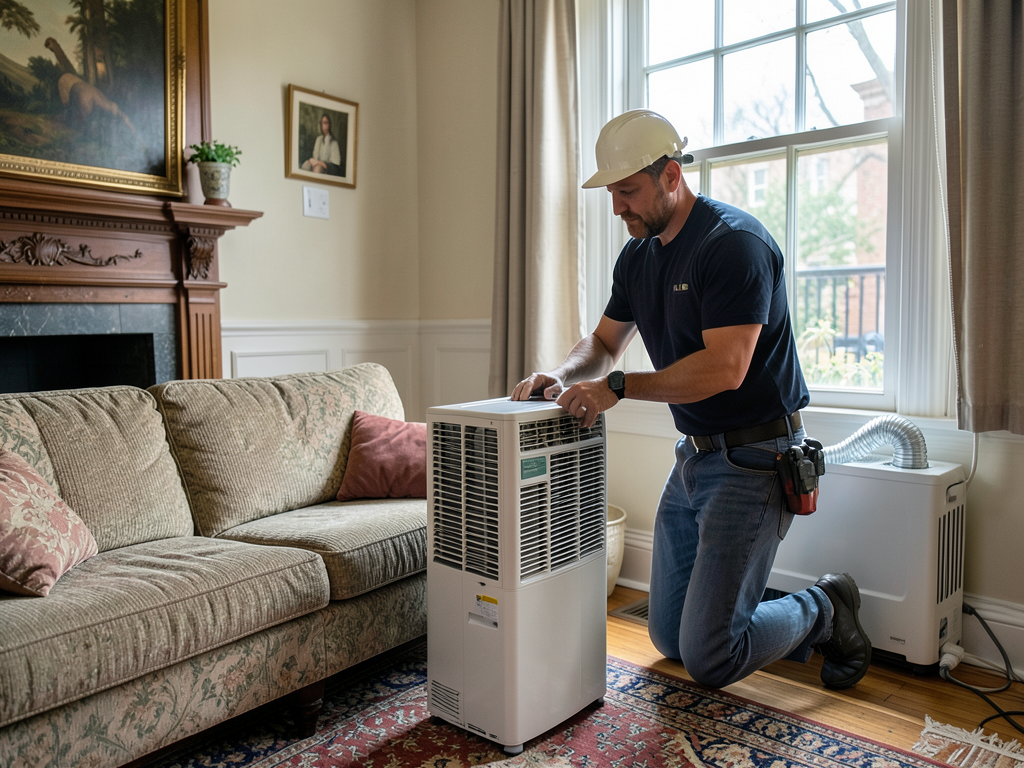
Non-Permanent Cooling Solutions for Renters in the Lower Haight Living in a classic Lower Haight Victorian or Edwardian apartment means dealing with beautiful architecture but often outdated cooling systems. Most renters face the same dilemma:…
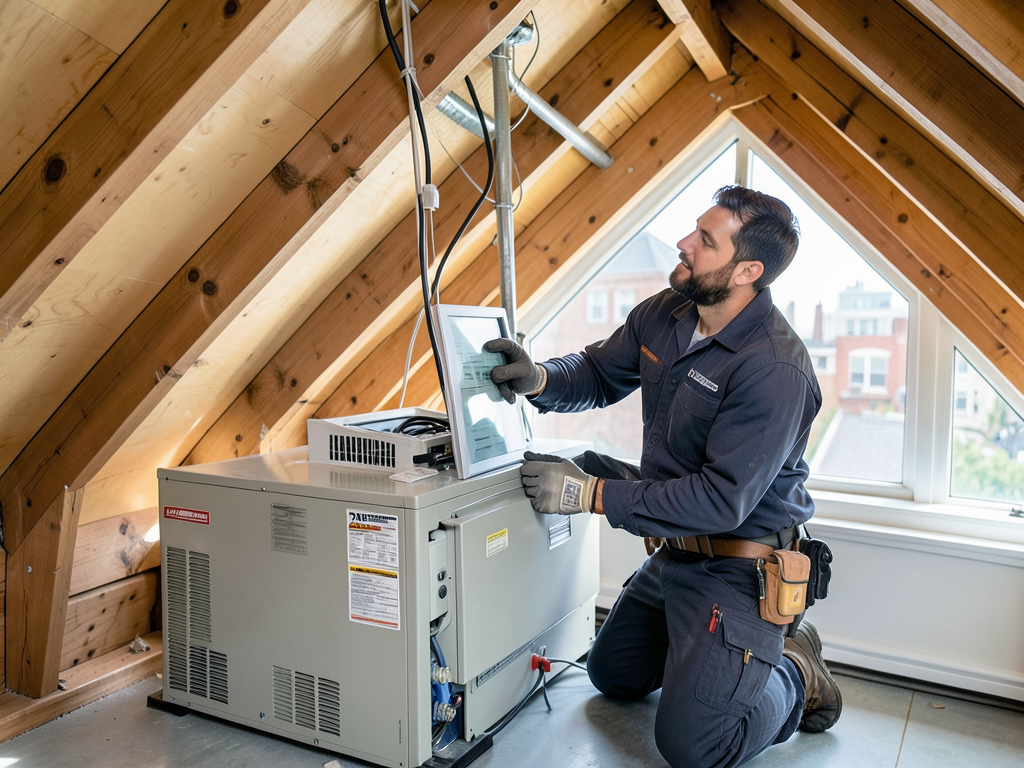
Heating and Cooling Solutions for Sunnyside Attic and Basement Conversions Converting your Sunnyside attic or…
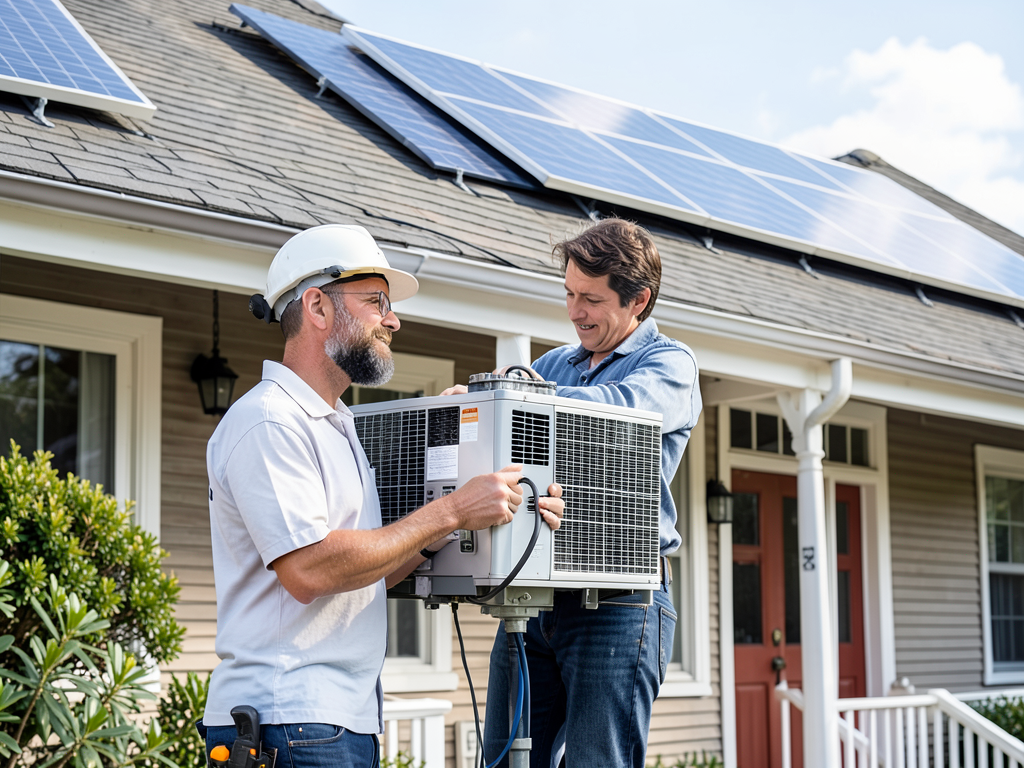
Pairing Your San Francisco Solar Panels with a High Efficiency Heat Pump If you have…
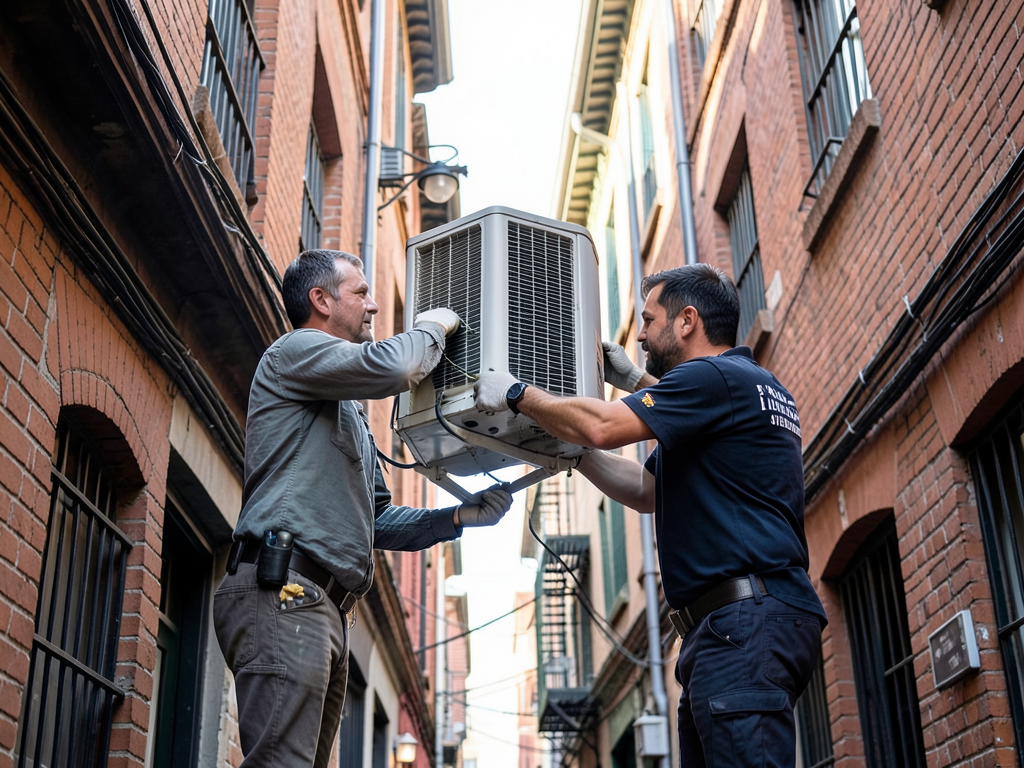
Energy Efficient HVAC Upgrades for Small Businesses in Chinatown Small businesses in San Francisco's Chinatown…
Your comfort matters. Call Atlas HVAC San Francisco at (628) 201-6600 right now for same-day service. Our technicians are ready to diagnose your problem, provide upfront pricing, and restore heat or cooling fast. No runaround, no surprise fees, just expert service you can trust.